
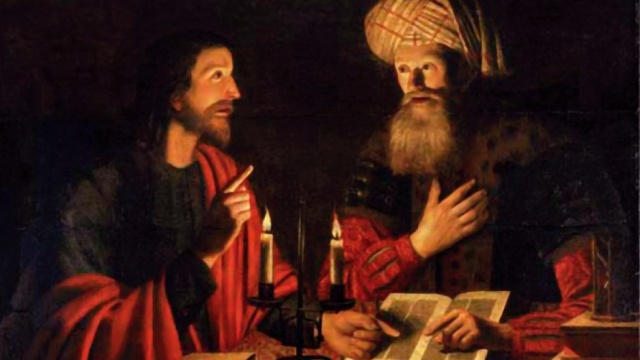
A reflection for the fourth Sunday in Lent, Year B. The readings are 2 Chronicles 36:14-17a, 19-23; Psalm 137; Ephesians 2:4-10 and John 3:14-21.
Nicodemus was a Pharisee and a religious leader; perhaps a member of the Jewish Council, the Sanhedrin. It’s the Feast of Passover and Jesus is in Jerusalem. All eyes are on him. Nicodemus is interested in Jesus but he doesn’t want everyone to know, so he goes to Jesus at night, in the cover of darkness. What follows is a well-known exchange that includes a classic device that the Gospel of John uses: Jesus is misunderstood. Jesus tells to Nicodemus that no one can see the Kingdom of God unless they are ‘born from above.’ The word for ‘from above’ in Greek is the same word as ‘again’ so Nicodemus responds, “How can anyone who is born, be born again?” Which leads to Jesus explaining what He actually means and leads us to today’s Gospel. I am going to propose that what Jesus is actually speaking about is Grace.
Read more…
A reflection for the 1st Sunday, Lent, year B. The readings are Genesis 9:8-15; Psalm 25; 1 Peter 3:18-22 and Mark 1:12-15.
When you think of Lent, what do you think of? Do you think of feasting or fasting? Do you think of partying or penance? True that Lent is a penitential season, but do you know that the word “Lent” comes from the old English word, “lencten” which means “Springtime”? It comes from the old Germanic: Lengen-tinza which literally means “long days”. (you can see in “lencten” the similarity with the word “lengthen”.) So Lent refers to the lengthening of days; to the light that is defeating the darkness.
How many of you, when you think of Lent, think of Baptism? Surely the Catechumens, those preparing for Baptism at Easter, who do their final preparations during Lent are thinking of Baptism, but the rest of us? Recently I received a book by Jerry Galipeau titled, You Have Put On Christ: Cultivating a Baptismal Spirituality. In it he says that Lent is a baptismal time. He quotes the Second Vatican Council Constitution on the Sacred Liturgy, #109:
The season of Lent has a twofold character: primarily by recalling or preparing for baptism and by penance, it disposes the faithful, who more diligently hear the word of God ad devote themselves to prayer, to celebrate the paschal mystery. This twofold character is to be brought into greater prominence both in the liturgy and by liturgical catechesis.
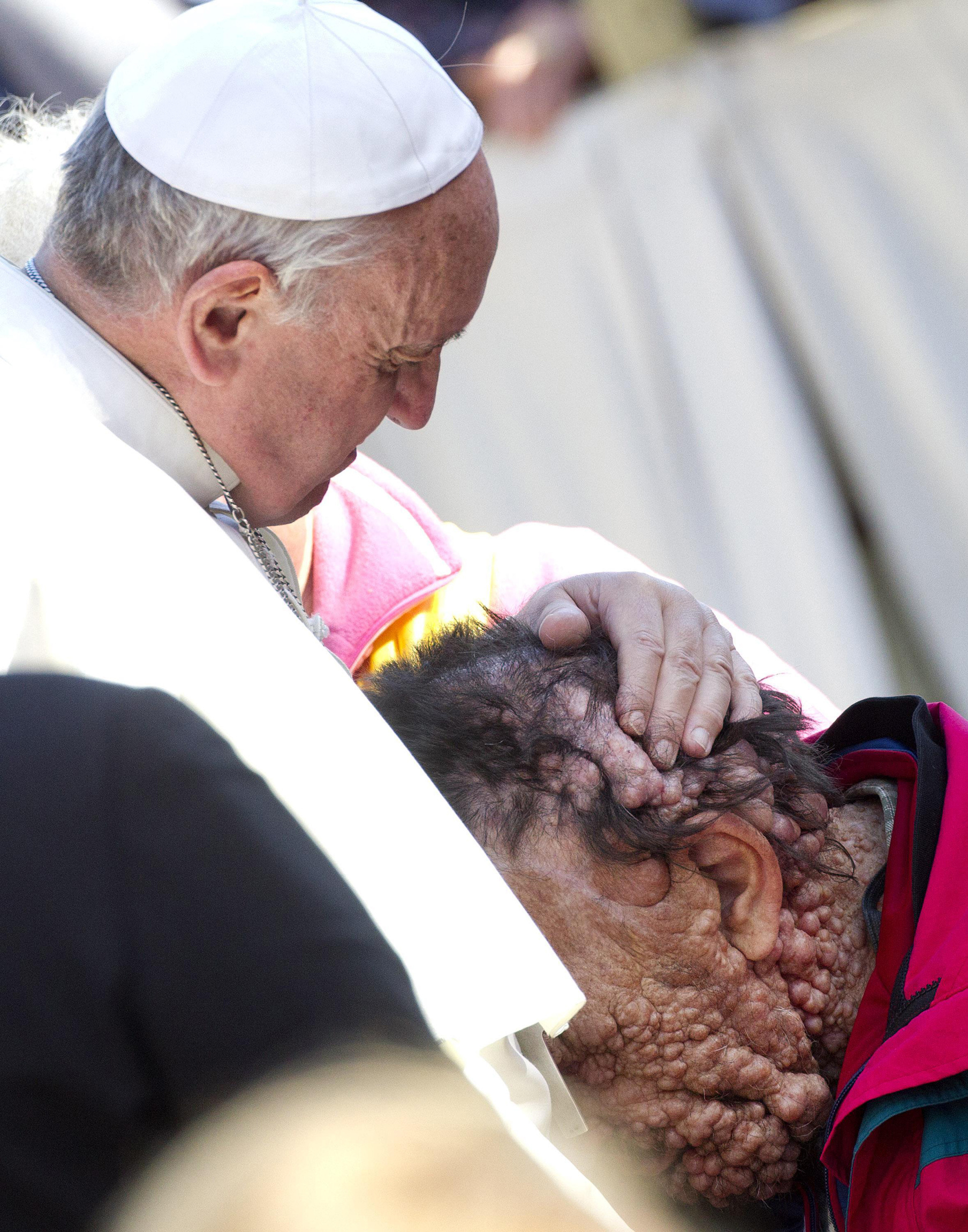
A reflection for the 6th Sunday in Ordinary Time, Year B. The readings are Leviticus 13:1-2, 44-46; Psalm 32; Corinthians 10:31–11:1 and Mark 1:40-45.
“If you want, you can make me clean” says the man. “I do want” Jesus says to the man. “I do.” I’ve always found that short exchange to be very moving. This year I have noticed in particular how in the Gospel of Mark, Jesus heals people. He heals a lot of people – so far he’s already expelled a demon from a man in the synagogue and healed Simon’s mother-in-law – and we’re still in chapter one! Most moving is that he heals people by touching them. It’s good to be reminded of these stories, to read them and hear them because they are our story.
Jesus was walking down the street one day, when he heard a blind man cry out his name. So Jesus came out from the crowd and he asked the man, “Why do you shout so loud?” And the blind man said, “Oh Lord, I want to see” and Jesus touched his eyes and set him free.
Once he was teaching in the synagogue when a man shouted, “you are the son of God! Have you come here to have us destroyed?” “Be silent. Leave him,” Jesus said in a loud voice. And immediately the demon left the man and all were amazed even demons obeyed his commands.

A reflection for the Feast of the Baptism of the Lord, year B. The readings are Isaiah 42:1-4, 6-7; Psalm 29; Acts 10:34-38 and Mark 1:7-11.
The Church tells us that today marks the end of the Christmas season and today we see a very different image of Jesus that we’ve been seeing the last couple of weeks: The baby is replaced by a very grown man. The supporting characters of the young married couple looking for a place in the Inn are replaced by the a character who lives in the desert and wears clothing made of camel’s skin. The flying angels are replaced by the Holy Spirit in the shape of a dove and instead of hearing choirs singing Gloria, we hear the voice of God the Father.
I’ve said this before: I find it a bit confusing – is today the end of the Christmas season, or the beginning of Ordinary Time? In my parish, all the Christmas decorations have been taken down. Isn’t it true that the Christmas season is the time when we get to listen to all the stories about when Jesus was a child? But Jesus was baptized as an adult! And the Presentation at the Temple, which happened when Jesus was very much a baby – 8 days old – does not happen for another three weeks, on February 2nd. Why is that not part of the Christmas season? I was told today that the Vatican leaves all their Christmas decorations up until February 2nd. In fact, that’s what it used to be. I’ve been told by some who remember before Vatican II that the Christmas season used to end on February 2nd.
Read more…


 deacon pedro