
Do you want to improve your homilies and your preaching?
Read this 5-part series!
Last time I wrote about what makes a good homily and what is an image of a preacher. At the preaching conference in 2014, most of the presenters dedicated their talks to how a homilist should prepare. “Prepare the homilist; not the homily” was a phrase used by Cardinal Thomas Collins of Toronto during the keynote opening address. This, of course, does not mean that a preacher should not prepare the homily. Here’s how I think a homilist should prepare.
A good preacher must first be a person of the Gospels. Both Fr. Guerric DeBona, OSB in his book Preaching Effectively, Revitalizing Your Church as well as the USCCB publication, Fulfilled in Your Hearing speak of being “listeners of the Word” and “listeners of the people.” Not only do I have to be knowledgeable of Scripture, but I must pray the Scriptures. I must let the Scriptures speak to me – not just while preparing a homily, but all the time. The practice of Lectio Divina and the Office of Readings as is the Liturgy of the Hours, are an integral part of this. In fact, out of the eight presenters during the conference, five of them spoke of the importance of Lectio Divina.
Do you want to improve your homilies and your preaching?
Read this 5-part series!
As I wrote last time, in 2014 I attended a preaching conference as part of St. Augustine’s Seminary 100th anniversary events. It was a who’s who in preaching, with all the talks by homiletics experts from all over North America.
I think about homilies all the time. Not so much because I have to prepare one at least once a month, but because I have to listen to one at least once a week. I’m also a public speaker, and TV and radio host, so I am thinking about communication all the time.
After the conference I dug out a paper I wrote when I was in formation for the Permanent Diaconate for our homiletics course. One of the main questions we had then (and that I still have now) is “what is a homily?”. How would you respond to that question?
Do you want to improve your homilies and your preaching?
Read this 5-part series!
Pope Benedict wrote in the Apostolic Exhortation Verbum Domini that “the homily is a means of bringing the scriptural message to life in a way that helps the faithful to realize that God’s word is present and at work in their everyday lives.” (VD 59) Add to that the 18 pages that Pope Francis dedicated to preaching in his Apostolic Exhortation, Evangelii Gaudium. In it he writes: “The homily is the touchstone for judging a pastor’s closeness and ability to communicate to his people. We know that the faithful attach great importance to it, and that both they and their ordained ministers suffer because of homilies: the laity from having to listen to them and the clergy from having to preach them!” (EG 135) It was with these thoughts in mind that I attended the preaching conference held at Toronto’s St. Augustine’s Seminary in 2014. The conference was titled, “How to Make Catholic Preaching Better.”
Read more…
A reflection for the 4th Sunday, Advent Year C. The readings are Micah 5:1-4a, Psalm 80, Hebrews 10:5-10 and Luke 1:39-45.
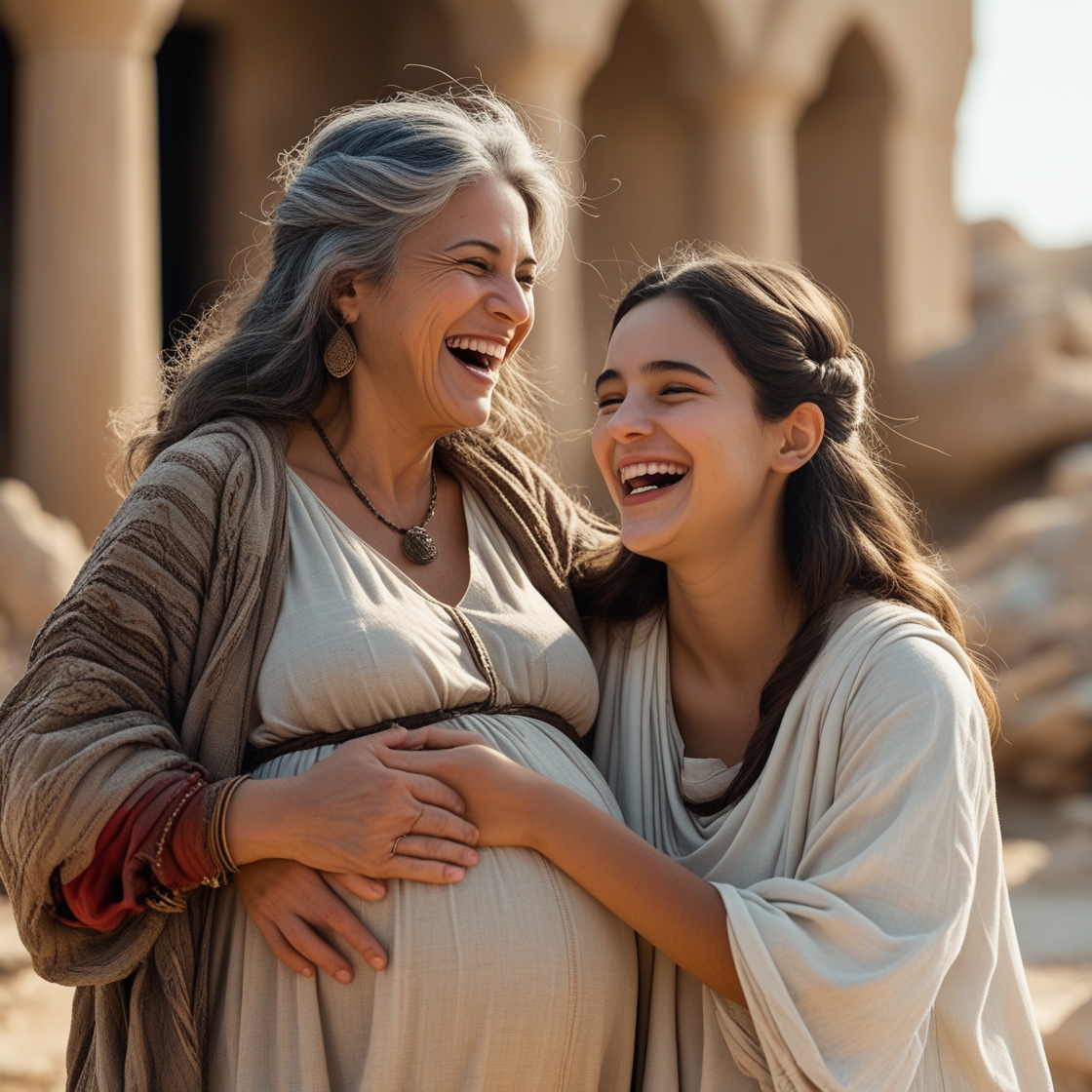
“Blessed are you who believed that the word spoken to you by the Lord would be fulfilled.”
Mary is blessed for many reasons, but today, let’s consider the fact that she is blessed because she believed the promise that was made to her. She believed the word.
If you’re like me, you have a hard time believing things until they happen; maybe I just don’t want to be disappointed and I don’t want to spend too much energy on something that hasn’t happened yet. Recently, I received two words that I didn’t really believe – not until the last minute.


 deacon pedro