
A reflection for the 4th Sunday, Advent Year C. The readings are Micah 5:1-4a, Psalm 80, Hebrews 10:5-10 and Luke 1:39-45.
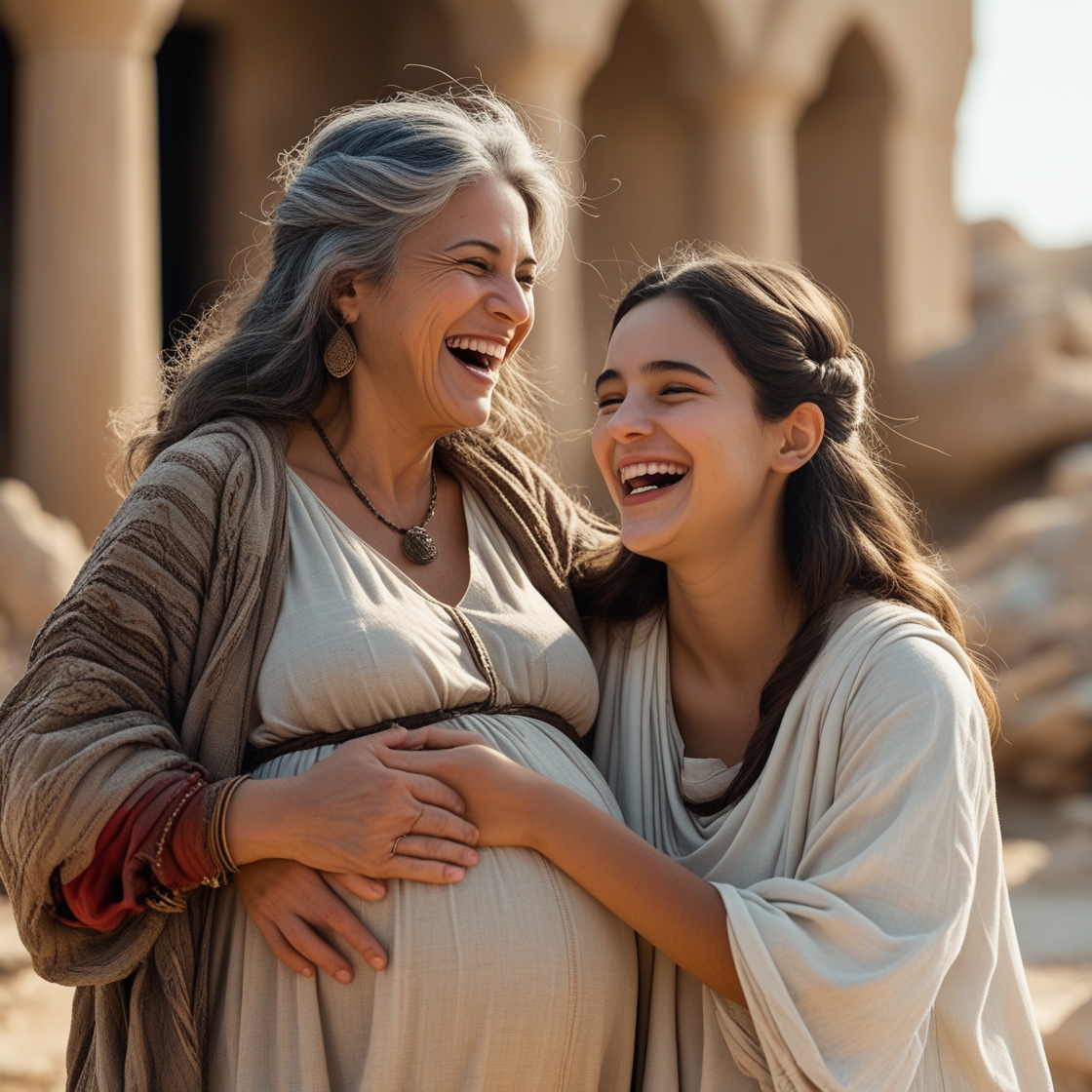
“Blessed are you who believed that the word spoken to you by the Lord would be fulfilled.”
Mary is blessed for many reasons, but today, let’s consider the fact that she is blessed because she believed the promise that was made to her. She believed the word.
If you’re like me, you have a hard time believing things until they happen; maybe I just don’t want to be disappointed and I don’t want to spend too much energy on something that hasn’t happened yet. Recently, I received two words that I didn’t really believe – not until the last minute.
A reflection for the 33rd Sunday, Ordinary Time, B. The readings are Daniel 12:1-3, Psalm 16, Hebrews 10:11, 14-18 and Mark 13:24-32.
Today is the thirty-third Sunday of Ordinary Time – next Sunday is the 34th, the last Sunday of the Liturgical Year- that’s when we celebrate the Solemnity of Christ the King…. Then, the following Sunday is the first Sunday of Advent and we begin the new Church year. This year is year B and we’ve been reading from the Gospel of Mark. Next year is Year C and we will be reading from the Gospel of Luke. On that Sunday, the first Sunday of Advent, in two weeks, we are going to listen to a very similar Gospel passage as today’s – Jesus telling the disciples about what sounds like, is the end of the world.
This Gospel passage – from the 13th chapter of the Gospel of Mark is written in what we refer to as “apocalyptic” in style. Apocalyptic refers to a kind of writing which was normal in Biblical times. The first reading from the 12 Chapter of Daniel is also apocalyptic – and so is the Book of Revelation. Apocalyptic writing is sometimes hard to understand because of the way it is written. People think that apocalyptic means that it’s about the end of the world – it isn’t. Apocalypse doesn’t mean end of the world and destruction. Apocalypse means unveiling; revealing – literally, pulling back a curtain That’s why the book of the apocalypse, the last book of the Bible, in English is called the Book of Revelation – because it reveals something to us. Partly because some of the messages are hidden – they are veiled. But mostly because in reading it, a deeper meaning is revealed. Apocalyptic writings are commonly used in Scripture when the readers – those to whom the book is written – are being persecuted. This is the case in the Book of Daniel; written during the Greek conquest of Israel. It is also true of the Book of Revelation, written during the Roman persecution of Christians. It is also true of this 13 chapter of the Gospel of Mark. It is written in a way that those who are persecuted would understand, but also, so that the persecutors would not understand.
A reflection for the 27th Sunday, Ordinary Time, Year B. The readings are Genesis 2:18-24, Psalm: 128, Hebrews 2:9-11 and Mark 10:2-16.
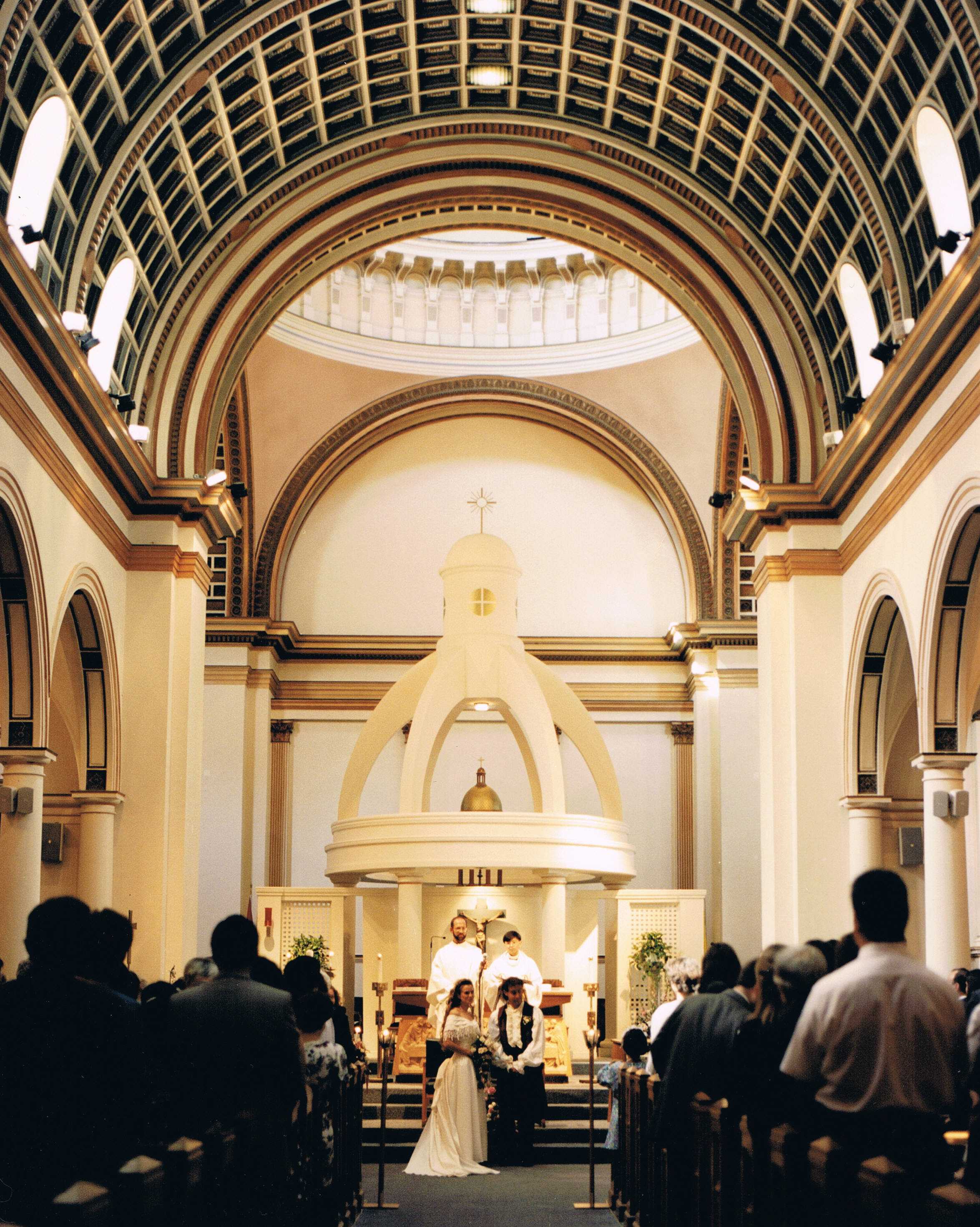
“Therefore a man shall leave his father and his mother and cling to his wife and the two shall become one flesh.”
That line is what inspired Saint John Paul II to give a series of reflections that has come to be known as The Theology of the Body. Have you heard of it? From 1979 to 1984, Pope John Paul II, during his weekly General Audiences, gave 129 addresses, inspired by this scripture passage on marriage and divorce, which led him to the Book of Genesis and to look at the nature of sin and grace, of love, marriage, what it means to be a man, what it means to be a woman, what it means to be created in the image of God – it’s a wonderful catechesis on love, marriage and sexuality – and because we are created, male and female, in the image of God, it also gives us a glimmer as to the very nature of God. In short, Theology of the Body says that the very mystery of God is revealed to us through our bodies. I encourage you to look it up. If you have a body, the Theology of the Body is for you.
(A great place to start is with Christopher West. Pick up his Theology of the Body Explained.)
Read more…
A conversation with Jermaine Bagnall on his podcast The Personal Vocation.


 deacon pedro