
The Shepherd King
A reflection for the Solemnity of Our Lord Jesus Christ, King of the Universe, Year A. The readings are Ezekiel 34:11-12, 15-17; Psalm 23; 1 Corinthians 15:20-26, 28 and Matthew 25:31-46.
Let me start by asking you a few questions:
Who is the king of the jungle?
Who is the king of rock n roll?
Who is the king of pop?
Who is the king of soccer?
(*Answers below)
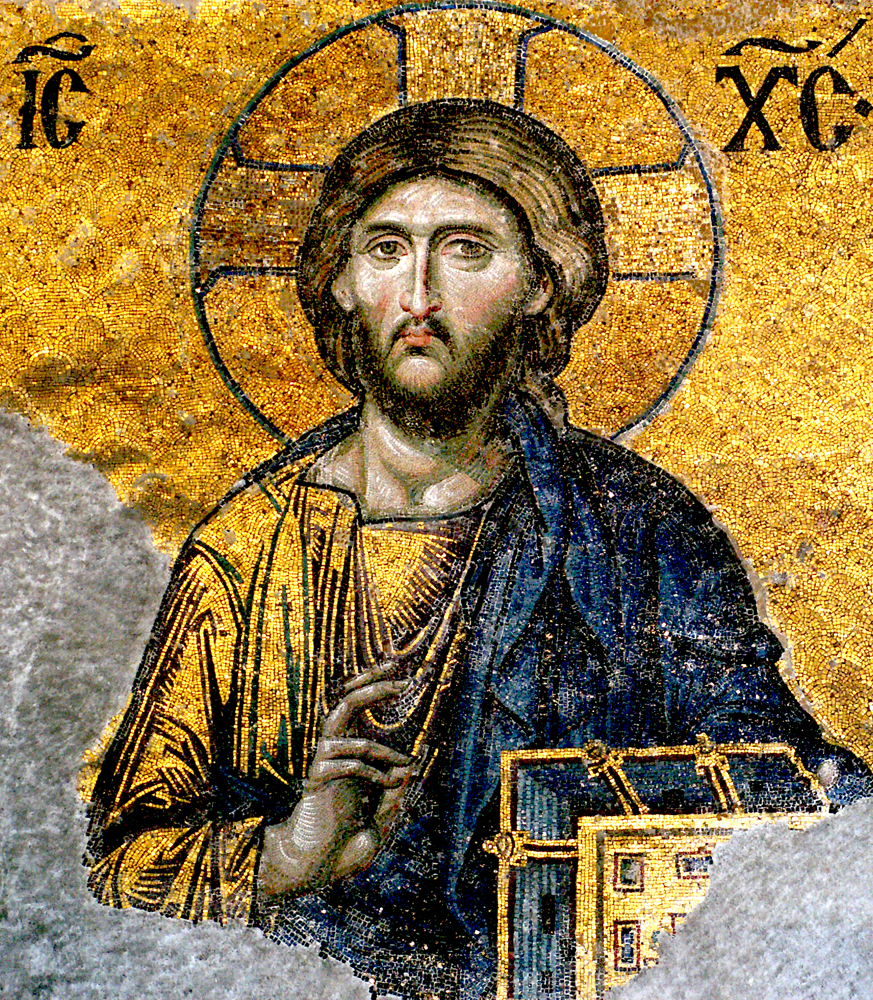
Who is the King of the universe? Who is the King of Kings?
Who is the King of your life?
If you answered ‘Jesus’ to these last questions, you are correct.
Today we celebrate the Solemnity of Jesus Christ, King of the Universe, but, I don’t know about you, but even though I want Jesus to be the King of my life, I don’t know if I really don’t act like it.
A hundred years ago – or rather, 102 years ago, the Feast of Christ the King did not exist. It was instituted by Pope Pius XI in 1925 at a time when there was a rise in many fascist, socialist, nationalist governments: Stalin in Russia, Franco in Spain, Mussolini in Italy, Nazis in in Germany. Pope Pius XI wanted to remind these totalitarian governments that Jesus Christ is the only Sovereign King, and to remind the rest of us that there is but one monarch, one ruler and one Kingdom that really matters.
But Pope Pius XI didn’t come up with the idea of Christ the king. The image of Jesus as king is found in many places in the New Testament and even the idea that the Messiah would be king can be found in the Old Testament: “He shall reign forever”; “his kingdom will have no end” and others.
But I like the image of Jesus as King. When you think of a king, what do you think of? King Charles? Game of Thrones? King Henry VIII? These are not the best examples of kingliness.
That’s why I love the readings today. They give us a different image of Jesus – or, the kind of King that Jesus is: The Shepherd King. The idea that God is a shepherd and that the Messiah would be a shepherd king is also as old as the Old Testament. The best example is King David, who, literally was a shepherd. And he wrote Psalm 23: The Lord is my Shepherd. And Jesus describes himself as a shepherd. That’s the kind of king he is: a shepherd, a pastor- he takes care of his sheep. He seeks and saves the lost. He feeds the hungry, clothes de naked, takes care of the sick… That’s the kind of king that Jesus is. And in the Gospel today, Jesus makes it clear that, not only does he care for the sheep, but he identifies with them. He is hungry and thirsty with us. He suffers with us. When we care for the sheep; we care for him. So, Jesus is the shepherd king who cares for the sheep and who identifies with the sheep. And not only is this the kind of king that Jesus is, but He is also a king who will destroy the enemy. St. Paul tells the Corinthians in today’s second reading that Jesus will reign until all his enemies – so, those things that make us hungry, thirsty, sick, that keep us imprisoned – all that sin, Jesus will destroy. And the last enemy to be destroyed is death.
Every time we pray for God’s kingdom to come, that’s the kingdom we are praying for. Every time we pray the Lord’s Prayer: “thy Kingdom come” that’s the kind of kingdom we are asking for. A kingdom where these is no more hunger, thirst, sickness, prisons, suffering, indignity, homelessness… A kingdom where the Lord is our shepherd and there is nothing that we shall want. For the last couple weeks, we’ve been hearing Jesus tell parables to try to explain the Kingdom of Heaven. At one point he says, “the Kingdom of God is within you” or in a different translation, “the Kingdom of God is in your midst”. And so, that means that, while we pray for the Kingdom to come, we also know that somehow, it is already here. That’s the good old Catholic “already and not yet”. It refers to something that is “here and not yet here”. And so, the Kingdom of God is here, in our midst and within us, but at the same time, we must work towards it. So that means we don’t just pray for it, but we work towards it.
The Church gives us a few suggestions as to what things we can do as we work towards God’s Kingdom and two of them are inspired by today’s Gospel. They are the Corporal Works of Mercy and the Spiritual Works of Mercy. Have you heard of them? This is classic Catholic Social Teaching.
The Corporal Works of Mercy are:
- To feed the hungry;
- To give drink to the thirsty;
- To clothe the naked;
- To shelter the homeless;
- To visit the sick;
- To visit the prisoners;
- To bury the dead.
That sounds a lot like today’s Gospel. The Spiritual Works of Mercy are a bit different. They are:
- To instruct the ignorant;
- To counsel the doubtful;
- To admonish sinners;
- To bear wrongs patiently;
- To forgive offences willingly;
- To comfort the afflicted;
- To pray for the living and the dead.
These are very concrete things that the Church asks us to do to help bring about the Kingdom of God.
Advent begins next Sunday and it is a great time to practice these 14 things: donate items to the food bank, donate to homeless shelters. Go visit someone in the hospital. Or send Christmas cards to the hospital to distribute to their patients or to a senior’s home for their residents. Many prisons also accept donations of books or other items for their inmates. If you can’t bury the dead, go visit a gravesite. Maybe just walk through a cemetery and pray for the people whose gravesites you see.
The spiritual works are a bit more complicated, but maybe more realistic. Spend some time with someone who is struggling with Church teaching or who is struggling with anything. Be patient with those around you. Be more forgiving. Comfort the afflicted and pray for the living and the dead. Those are all good and easy things we could be doing, especially during the Advent season to work towards the Kingdom of God.
And one last thing: let’s live our lives as if Jesus was our King. If a shepherd walked in here right now, we would probably turn and wonder who this dirty and stinky guy is. But if King Charles walked in here right now, we would probably stand, no? Out of respect, right?
If Jesus Christ walked in right now, what would you do? Would you stand? Would you fall on your knees? We should probably fall on our knees.
But Jesus Christ comes at every Mass. And what do we do?
We kneel, but do we kneel because that’s just what we are supposed to do at that part of the Mass? “We stand, we sit, oh, now it’s time to kneel.” Or do we kneel because Jesus is here and Jesus is King?
When I was growing up in Panama, it was common practice in my parish and in many parishes in the city, that after Communion, when the left over consecrated hosts are being reposed in the Tabernacle, everyone would stand and face the Tabernacle.
I’d like to propose that you begin doing that when you go to Mass too.
After Communion, no matter whether you are praying on your knees or you are already sitting down, when the priest or deacon takes the hosts to the Tabernacle, stand up. If the priest and deacon genuflect, you can also do a small bow.
That would be a good reminder that Jesus is King and that his Kingdom is already here and that we want his Kingdom to come and so we will go out there and feed the hungry, care for the sick, shelter the homeless and take care of his sheep.
We do that because Jesus is the King of the universe; the King of Kings…
.
..the King of our lives.
—
*ANSWERS
Who is the king of the jungle? (the lion)
Who is the king of rock n roll? (Elvis)
Who is the king of pop? (Michael Jackson)
Who is the king of soccer? (Pele)


